

Four Foundations of Success : ค้นหาหนังสือธรรมะ หน้า 36 / 39
หน้าหนังสือทั้งหมด

70
4. การทำสมาธิผลต่อเวลาที่เหลือของวันอย่างไร ?
- ทำให้มีความสุข มีความบริสุทธิ์ มีสติ มีปัญญา เป็นต้น และใช้ประโยชน์จากสมาชิกได้ตลอด 24/7 (Twenty four/seven) – (24 ชั่วโมง ตลอด 7 วัน)

32
Praying hands with three women kneeling beside a basket of fruit, and four monks holding a bowl and standing behind, near bowls of food.
14
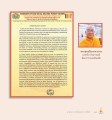
Celebrating 55 Years of Dhammakaya Foundation Day
SIDDHARTH UNITED SOCIAL WELFARE MISSION (SUSWM)
International Humanitarian & Spiritual Organization
BHARATIYA SANGHARJA BHIKKHUI MAHASABHA W.B
(Regional Centre for the World Fellowship of Buddhists)
The 55th anniversary of Dhammakaya Foundation Day will be celebrated on February 12, 2025, at the Dhammakaya Centre in Pathumani, Thailand. This event, coinciding with the holy Maghapuja Day, honors t

19
The Structure of the Dhammacakka
Hub = The Thirty-Seven Factors of Enlightenment
Spokes = The Twelve Links of Dependent Origination
Rim = The Four Noble Truths
28
Insights into the Three Cycles and Twelve Components of Suffering
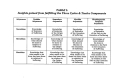
TABLE I:
Insights gained from fulfilling the Three Cycles & Twelve Components
| Ariyasacca | Dukkha Ariyasacca | Samudya Ariyasacca | Nirodha Ariyasacca | Nirodhagamini Patipada Ariyasacca |
| ---
This table outlines insights into suffering through the lens of the Four Noble Truths in Buddhism. Each Ariyasacca component provides a deeper understanding of suffering, including its existence, orig
38
The Consequences of Attachment to Sense Pleasure
O! Monks! Some warriors go to the trouble to erect defences of brick and mortar to stop their enemies being able to climb over, they fill their arsenals full of weapons. However, if the enemy should p
This text discusses how attachment to sense pleasures leads to various forms of suffering and wrongdoing. It illustrates the consequences of indulgence, including violence and crime, and emphasizes th
44
Understanding Right Intention and Right Speech in Buddhist Practice
subtle defilements¹ [anusaya].
2.1 Right Intention (mundane): At low level Right Inten- tion means having the wholesome intention to be generous, keep the Five Precepts, renounce the world to become a
This text discusses key aspects of Buddhist practice, specifically focusing on Right Intention and Right Speech. Right Intention involves having wholesome intentions such as generosity and the desire
47
Understanding Right Concentration and the Dhammacakka
oupes, keep the Precepts, meditate or listen to Dhamma sermons. Such determination is a precursor of concentration called 'khaṇika-samādhi'.
7.2 Right Concentration (transcendental): At high level Rig
บทความนี้อธิบายถึงการเจริญสมาธิอย่างถูกต้องซึ่งรวมถึงการเข้าถึงสมาธิในระดับที่สูงขึ้น รวมถึง Dhammacakka ซึ่งเป็นแนวทางในการเข้าถึงนิพพาน โดยอธิบายความสัมพันธ์ระหว่างปัจจัยที่นำไปสู่การตรัสรู้และบทบาท
58
Understanding the Noble Eightfold Path
Those who are wise and endowed with Right View will see the dangerous reality of craving, and not delay in practising the Noble Eightfold Path as a vessel to take them beyond the Sea of Worldliness.
4
This text discusses the importance of the Noble Eightfold Path as a means to transcend worldly cravings and achieve Nirvana. It elaborates on how it is the strongest method for ending suffering, highl
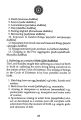
61
Understanding Suffering in Buddhism
4. Death [marana dukkhā]
5. Sorrow [soka dukkhā]
6. Lamentation [parideva dukkhā]
7. Pain [dukkha dukkhā]
8. Feeling slighted [domañassa dukkhā]
9. Bemoaning [upāyassa dukkhā]
10. Exposure to hateful
บทเรียนของพระพุทธเจ้ามุ่งเน้นไปที่การเข้าใจทุกข์และธรรมชาติของมัน เช่น ความทุกข์จากการเกิด, ความตาย, และอารมณ์ต่างๆ เช่น ความโศกเศร้า การพลัดพราก และความผิดหวัง ความทุกข์เกิดจากการคลั่งไคล้ในaggregate
75
Understanding Suffering and Attachment
move those hateful things or escape from their grasp — but when we can’t it only adds to the suffering in our mind.
11. Separation from loved ones and treasured things [piyihi vipayoga dukkhā] If we a
This text delves into the various forms of suffering as described in Buddhist teachings. It highlights how separation from loved ones and possessions leads to emotional pain and how disappointment man
80
The Three Forms of Craving in Buddhism
The Three forms of Craving
The Lord Buddha taught that there are three sorts of craving: craving for sense-pleasure [kāmaṭhaṇa], craving for the form realms [bhavatānha] and craving for the formless r
The Lord Buddha identified three types of craving: 1) Craving for Sense-Pleasure (kāmaṭhaṇa) signifies a longing for sensory experiences which misleads individuals into thinking happiness comes from e
116
Understanding Nirvana: The Realm Beyond Existence
same happiness to us as if we were really in āyatanā nibbāna — but we are still ‘alive’ in our human body.
2. Nirvana without residual aggregates (Anupādisesa Nirvana [Nibbāna]) is the Nirvana that is
This text delves into the concepts of Āyatanā Nibbāna and Anupādisesa Nibbāna, explaining that Nirvana exists beyond the physical realm and is not bound by worldly elements. It describes Nirvana as a
132
The Four Absorptions in Meditation
guish them as follows:
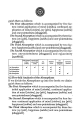
The First Absorption which is accompanied by five factors: initial application of mind [vitakka], continued application of mind [vicāra], joy [pīti], happiness [sukha] and one-p
This text outlines the four absorptions in meditation, detailing the factors involved in each state. The First Absorption is characterized by five components: initial application of mind (vitakka), co
142
The Path to Enlightenment: Understanding Dhammakāya
the knowledge arising from cognition may be erroneous.
The knowledge arising from 'knowing', by contrast, de-
pends on the Dhammakāya — it is knowledge based on
true wisdom such as the Four Noble Trut
This text discusses the distinction between knowledge gained through cognition and that which arises from true wisdom based on the Dhammakāya. It details the bodhisatva's rigorous meditation practice
158
The Nature of Wives in Buddhist Teachings
7. A wife like an slave: A wife who allows herself to be abused, slapped or beaten by her husband without becoming angry or vengeful and without blaming her husband, who is contented to be completely
This text discusses different types of wives in Buddhist teachings, illustrating how their characteristics influence their karmic outcomes. It differentiates between negative types, like a wife who is
165
Understanding Right Livelihood and Wrong Trade
hardly be able to find anyone to praise them;
4. They will spend forthcoming lifetimes in hell.
Having heard the Buddha’s teaching, Khema attained
stream-entry, never committing adultery again
This ex
In Buddhist teachings, Right Livelihood refers to earning a living that upholds ethical values and avoids harmful practices. It specifically highlights five types of Wrong Trade which are prohibited:
178
The Three Cycles of Examination in Buddhism
The Three Cycles of Examination comprise:
1. Saccānāna: Knowledge of the existence of each Noble Truth over which the Lord Buddha had unequaled personal knowledge and which he could teach to others wi
The Three Cycles of Examination define knowledge concerning the Noble Truths which the Lord Buddha taught. Saccānāna pertains to the knowledge of each truth’s existence; Kiccanānā addresses the necess
191
The Significance of the Dhammacakka Pavattana Sutta
Siddhattha's footsteps. When Siddhattha was training him-self under the auspices of Ālara and Udaka it was Koṇḍañña who was also to train himself in Siddhattha's footsteps. Thus, Koṇḍañña, along with
The Dhammacakka Pavattana Sutta is pivotal in Buddhism, offering a master-plan for all subsequent teachings by the Buddha. It was delivered to a group of five adept meditators, setting a clear framewo
218
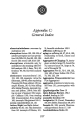
General Index of Meditation and Mindfulness Concepts
Appendix C:
General Index
absent-mindedness: overcome by meditation 124
absorption: factors 123, 129-132; of neither-perception-nor-non-perception 193; fifth 131; first 85, 123, 129; fourth 129; sec
This general index compiles significant terms and concepts related to meditation and mindfulness practices. It includes terms like absent-mindedness, absorption, and aggregates of clinging, helpful fo